
What is Technical SEO? Complete Guide to Website Optimization
Technical SEO is simply the work that happens in the back stages of your website., it ensures that search engines like Google can actually find, read, and trust your pages. If your site is slow or confusing for bots, even your best articles will stay hidden. Today, we will answer the question of “what is technical seo” and explore its basic pillars to build a rock-solid foundation for your website that gets it noticed.
What is technical seo?
Technical SEO is a set of technical steps to optimize your website’s infrastructure so that search engines can crawl and index your pages without running into a wall. You want to make sure that when a bot visits your site, it doesn’t get lost in a maze of broken links or slow-loading code.
We focus on the backend stuff here. This includes things like your site speed, how your mobile version looks, and whether your connection is secure. If we don’t get these basics right, even the best writing in the world won’t rank because Google won’t be able to “read” the page properly.
Why is technical seo important?
Technical SEO is important because it keeps your website visible to search engines and AI . We do this work because search engines are essentially picky customers; if they find a closed sign or a broken hallway, they just move on to the next place.
Competition is incredibly high. Most of your competitors are likely already optimizing their content. If your page takes five seconds to load and theirs takes two, you lose. It is that simple. Google wants to provide the best possible result to its users, and the best result isn’t just about the info on the page, it is about how quickly and safely that info is delivered.
What is website crawling and indexing?
Website crawling and indexing are two-step processes used by search engines to organize the entire internet. It helps to imagine Google as a librarian trying to organize the world’s largest library.
Website Crawling:
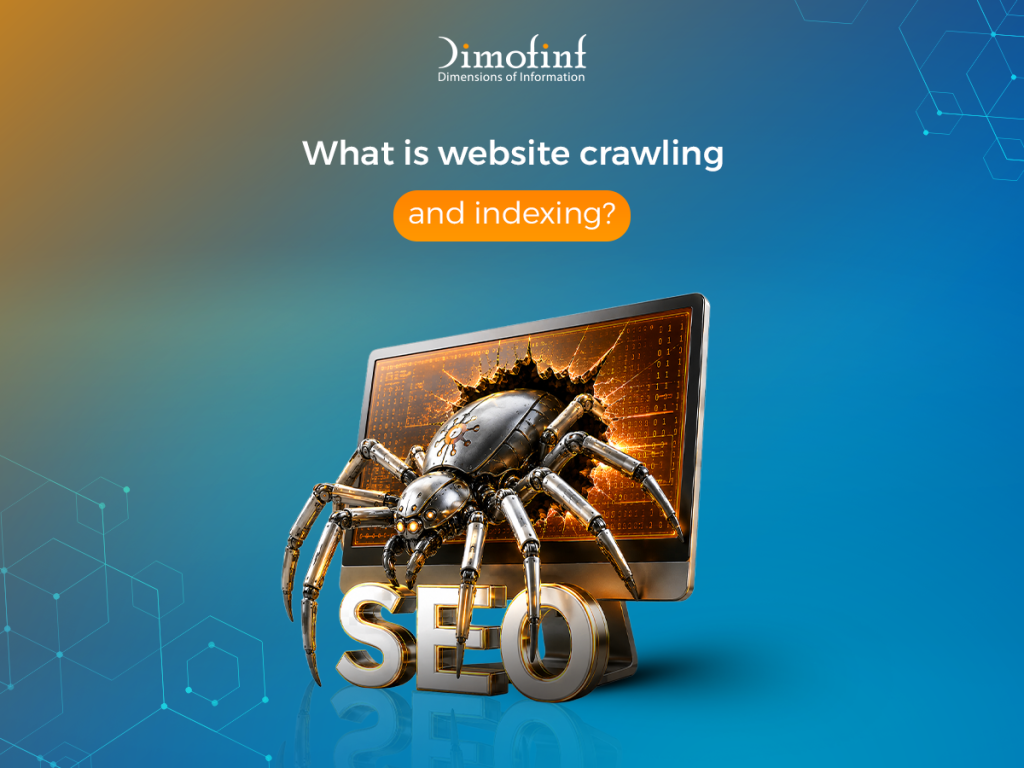
Crawling is the discovery process. Search engines use automated software often called bots or spiders to scour the web. These bots move from one page to another by following links.
In Technical SEO, website crawling is like a scout exploring a new territory. The bot lands on your homepage, sees a link to your services page, clicks it, finds a link to a blog post, and so on. If a page isn’t linked to anything else, the scout might never find it. This is why we focus so much on internal linking; we want to make sure the bots have a clear map to follow so no corner of your site stays hidden.
Website Indexing:
Indexing is the information storing and collecting process which happens after the crawl. Once a bot finds a page, it parses the content, reading the text, looking at the images, and trying to understand the overall topic. If the page meets the search engine’s quality standards, it gets added to the Index.
The Index is essentially a massive database of all the web pages Google has found and deemed worthy of showing to users. When someone types a query into the search bar, Google doesn’t search the live web in real-time; it searches its Index.
What is a sitemap and why do I need it?
Sitemap is a file (usually XML file) that lists the important pages of your website, making sure Google and other search engines can find and crawl them all. It also provides metadata details about each page, such as when it was last updated and how important it is relative to other pages.
Why do you need a sitemap?
You need a sitemap because it makes the indexing process faster for your website, helping search engines to find the new pages instantly rather than waiting for them to be discovered naturally.
Also, it tells Google exactly when you last changed a page so they can re-crawl and update your search results quickly and ensures that pages buried deep in your site architecture aren’t overlooked.
What are Core Web Vitals?
Core Web Vitals are a set of three specific metrics that Google uses to measure the speed, responsiveness, and visual stability of a webpage. In the technical SEO terms, google prioritizes sites that provide a smooth experience. If your scores are poor, your search ranking will likely drop, even if your content is high quality, which makes core web vitals are direct ranking factors
The Three Key Metrics of Core Web Vitals
- Largest Contentful Paint (LCP): It measures website’s loading performance and how long it takes for the largest piece of content (usually an image or heading) to appear on the screen.
- Interaction to Next Paint (INP): It measures website’s responsiveness and how quickly the page reacts when a user clicks a button, taps a link, or interacts with a menu.
- Cumulative Layout Shift (CLS): It measures website’s visual stability, whether elements like buttons or text jump around while the page is loading, which often causes accidental clicks.
What is robots.txt?
Robots.txt is a simple text file placed in your website’s root directory that tells search engine crawlers which pages or sections of your site they should or should not visit. It is part of the Robots Exclusion Protocol (REP), a group of web standards that regulate how robots crawl the web, access content, and serve that content to users.
How robots.txt works?
When a search engine bot like Googlebot visits a website, the very first thing it looks for is the robots.txt file. Based on the instructions inside, it will either proceed to crawl the page or skip specific sections.
What is structured data (schema)?
Structured data is a standardized format for providing information about a page and classifying the page content. Think of it as a translator between your human-readable content and the machine-readable language search engines use. With schema, search engine sees a set of data points because of the structured data behind the scenes.
Why structured data (schema) matters?
In technical SEO terms, the primary benefit of using structured data (schema) is the ability to achieve Rich Results (formerly known as Rich Snippets). These make your listing stand out in search results with extra features like:
- Stars: Review ratings for products or books.
- Images: Thumbnail previews for recipes or articles.
- Prices: Live pricing and availability for e-commerce.
- FAQ Dropdowns: Questions and answers directly in the search results.
What is crawl budget?
Crawl budget is the number of pages that search engine bot will crawl and index on your website within a specific timeframe.
It is essentially the amount of attention a search engine is willing to give your site. If your site has 10,000 pages but a crawl budget of only 5,000, half of your content may remain unindexed and invisible to searchers.
The Two Essential Pillars of Crawl Budget
- Crawl Capacity Limit (Crawl Rate): This is based on your server’s performance. Search engines don’t want to crash your site by making too many requests. If your server is slow or returns errors, the crawl rate will drop.
- Crawl Demand: This is how much Google wants to crawl your site. Popular pages and content that changes frequently like news sites or active forums that have higher demand.
Conclusion
Technical SEO is the structural side of things. It ensures that search engines can not only find your pages but also understand which version of those pages is the most important. By managing your budget and directing bots correctly, you ensure your highest-value content gets the visibility it deserves.
FAQs
What is canonical tag?
What our customers say
Share this article

Website Design Company in Riyadh | Professional Web Design

Cheapest Website Hosting: Compare the Best Affordable Hosts

What Is a Minecraft Server? How It Works & Server Types
How to Check SEO Ranking: Track Your Google Keyword Positions

Generative Engine Optimization Tools: Best GEO Tools for AI Search

What Is Affiliate Marketing and How Does It Work?

Marketing Strategy: How to Build a Successful Growth Plan

How to find the best SEO company in Saudi Arabia in 2026?